Navigating Seasonal Trends in Solar Marketing
Discover the keys to staying ahead in the solar industry by effectively navigating seasonal trends in your marketing efforts.
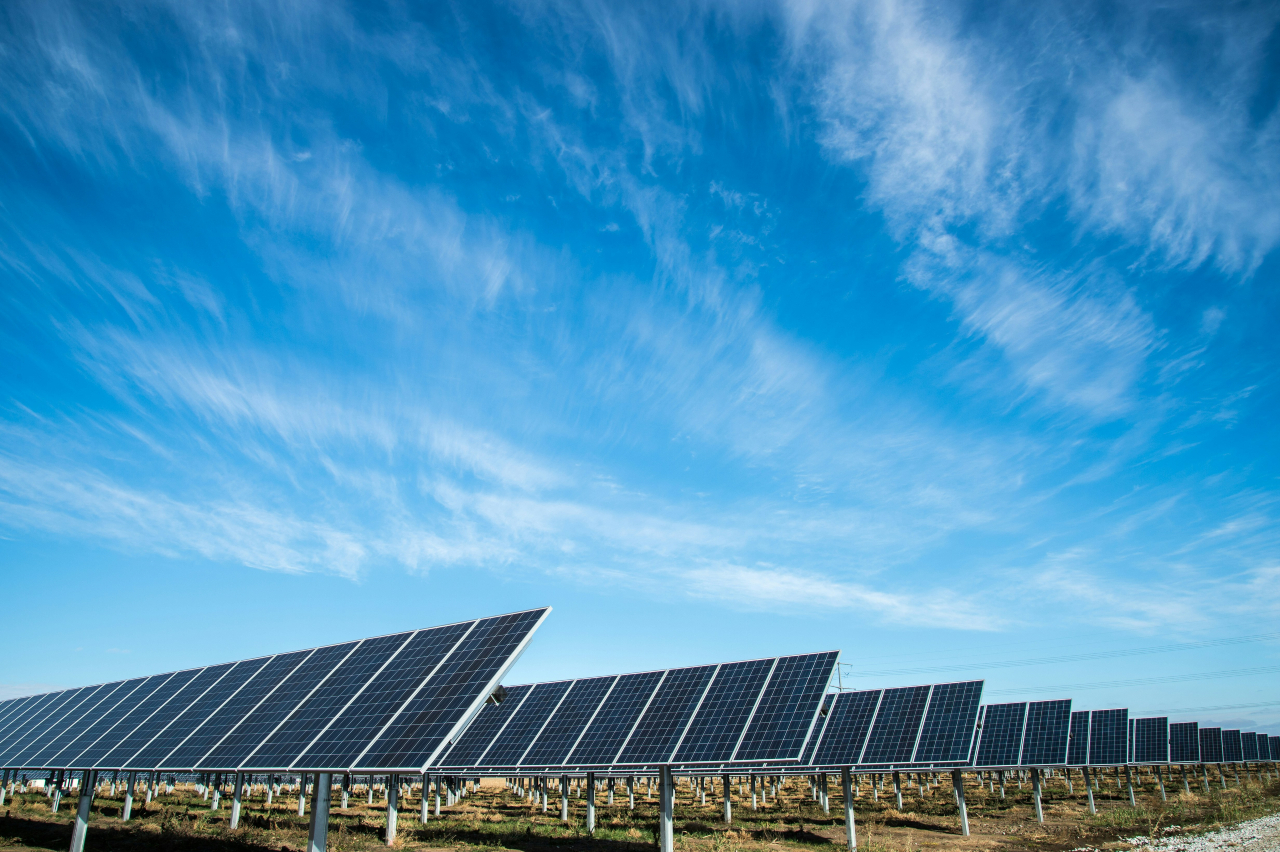
The solar industry is growing, with more people choosing renewable energy every year. However, demand for solar solutions isn’t steady throughout the year. Seasonal trends in solar marketing play a big role in shaping consumer interest and purchasing behavior. It’s important to adjust marketing strategies to match these trends to stay competitive. At Digital Dot, we understand the importance of aligning marketing efforts with these seasonal changes.
Understanding Seasonal Trends
Seasonal trends in solar marketing refer to the predictable changes in consumer interest and demand for solar products and services. The solar industry typically experiences peak seasons during spring and summer. Longer days and abundant sunshine make solar installations more attractive during these times. People are more likely to invest in solar panels when they see immediate benefits, such as lower energy bills during hot months.
Fall and winter are considered off-peak seasons. Shorter days and less sunlight reduce immediate interest in solar investments. However, this doesn’t mean there is no demand. Some consumers plan ahead, looking to install systems before the next peak season. Understanding these seasonal shifts helps businesses prepare their marketing strategies and ensure they reach their target audience at the right times. Recognizing these trends is crucial for maximizing marketing efforts and sales throughout the year. Using digital solutions for solar industry can enhance these efforts by leveraging technology to better predict and respond to market changes.
Analyzing Consumer Behavior
Consumer behavior in the solar market changes with the seasons. During peak seasons, there’s a noticeable increase in inquiries and installations as people seek to save more on energy. To understand and predict these changes, businesses can use tools like Google Trends, market research reports, and customer feedback. Analyzing this data helps create targeted marketing campaigns that align with consumer interests during different times of the year. In addition, social media analytics and website traffic patterns can offer insights into when potential customers are most engaged. This information can refine marketing strategies and improve customer targeting, leading to more effective campaigns.
Tools and Techniques for Consumer Analysis
Understanding consumer behavior requires a variety of tools and techniques:
- Google Trends: Monitor search trends related to solar energy to gauge interest levels.
- Market Research Reports: Use detailed industry reports to stay informed about market dynamics.
- Customer Feedback: Gather insights directly from your customers through surveys and reviews.
- Social Media Analytics: Track engagement metrics on platforms like Facebook and Instagram.
- Website Analytics: Analyze traffic patterns and user behavior on your website to identify peak interest times.
Marketing Strategies for Peak Seasons
During high-demand periods, it’s essential to take advantage of the increased interest in solar solutions. Here are some effective strategies:
- Increase advertising spend: Reach a wider audience through more robust advertising efforts. Investing in online ads, search engine marketing, and social media ads can drive more traffic to your site. Consider partnering with influencers to reach even more potential customers.
- Seasonal promotions and discounts: Offer special deals to entice customers to purchase. Limited-time offers and bundle deals can encourage customers to act quickly. Highlight how these promotions can lead to significant savings.
- Highlight seasonal benefits: Emphasize advantages like summer energy savings. Explain how solar panels can reduce energy bills and provide a reliable power source during hot months.
- Tailored marketing messages: Customize messages to align with seasonal benefits and customer needs. Use language and imagery that resonate with the summer lifestyle, such as enjoying air-conditioned homes powered by solar energy.
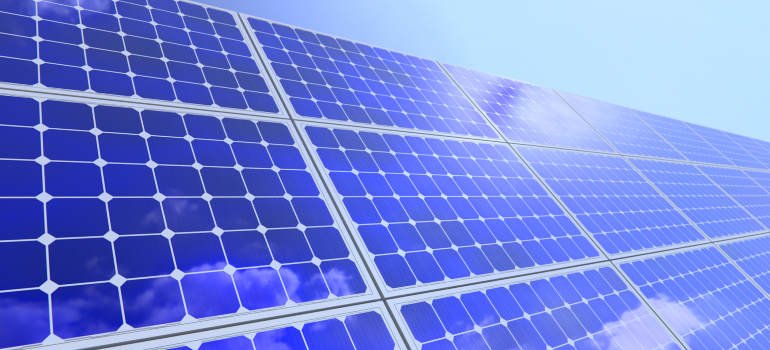
Boost your solar sales during peak seasons with strategic advertising, enticing promotions, and tailored messages that highlight the benefits of summer energy savings.
Marketing Strategies for Off-Peak Seasons
Maintaining brand awareness during off-peak seasons requires a different approach. Consider these strategies:
- Content marketing: Create engaging content to keep potential customers interested. Blog posts, videos, and infographics about the benefits of solar energy can educate your audience. Share success stories and case studies to build trust.
- Social media engagement: Use social media platforms to interact with your audience. Regular posts, live Q&A sessions, and engaging stories can keep your brand top of mind. Encourage followers to share their solar experiences.
- Early adoption incentives: Offer discounts for installations scheduled before peak seasons. These incentives can motivate customers to plan ahead. Highlight the advantages of being prepared for the summer rush.
- Education and awareness campaigns: Inform consumers about the long-term benefits of solar energy. Webinars, workshops, and informative newsletters can help build a knowledgeable customer base that values solar energy. A key focus of these campaigns should be to educate homeowners on the benefits of going solar, helping them understand the long-term savings and environmental impact.
Leveraging Data and Analytics
Data and analytics are vital for navigating seasonal trends in solar marketing. Using historical data allows businesses to forecast demand and plan their marketing activities. CRM and analytics tools help track performance and make real-time adjustments to strategies. This proactive approach keeps marketing efforts aligned with current market conditions, maximizing their effectiveness. What’s more, predictive analytics can identify emerging trends and potential market shifts, allowing businesses to stay ahead of the competition. Regularly reviewing and interpreting this data ensures that marketing campaigns remain relevant and responsive to consumer needs. Our company uses advanced analytics, but there are a lot of other information sources that have advanced data analytics courses, to optimize our clients’ marketing efforts continuously.

Adapting to Seasonal trends for Long-Term Success
Adjusting marketing strategies to match seasonal trends in solar marketing is crucial for sustained growth. At Digital Dot, we understand that anticipating changes in consumer behavior helps businesses optimize their marketing efforts throughout the year. Continuous monitoring and adapting to market changes will help maintain a competitive edge and achieve long-term success in the solar industry. Leveraging data and analytics, including predictive analytics, allows businesses to identify emerging trends and potential market shifts. Staying ahead of these changes ensures that marketing campaigns remain relevant and effective. Incorporating SEO strategies for solar companies can further enhance these efforts, improving online visibility and attracting more customers. Digital Dot uses advanced analytics to help our clients continuously refine their strategies and achieve optimal results.