
Potential of Social Media in Promoting Mental Health Awareness
Learn how social media can create a positive impact on mental health, spread awareness, foster support networks, and dismantle stigma.

Social media has grown from a platform for friendly banter and sharing life moments to a significant tool that drives social change. The influence of social media in today’s society is unquestionable, from shaping global discourse to catalyzing movements. But what about the connection between social media and mental health? It is a double-edged sword. While overuse or misuse can lead to mental health problems, harnessing its power presents unprecedented opportunities. So let’s uncover the potential of social media in promoting mental health awareness and learn more about mental health marketing in the realm of these channels.
The Role of Social Media in Promoting Mental Health Awareness
Mental health, a crucial aspect of overall well-being, is often misunderstood. It refers not merely to the absence of mental illness but to the state of emotional, psychological, and social well-being. Stigma and lack of understanding continue to shroud mental health, leading to discrimination and a reluctance to seek help. Given the World Health Organization’s estimate that over 1.1 billion people globally struggle with mental health disorders, a.k.a. 1 in 7 people, these misconceptions can be devastating.
However, the rise of social media has revolutionized how information is shared. With 5.41 billion active social media users worldwide across Instagram, X, TikTok, and other platforms, social media helps raise awareness about mental health far beyond traditional outreach methods.
As a matter of fact, social media has become the platform for mental health discussions. It has proven to be a perfect place for individuals to share their experiences, organizations to share resources, and influencers to speak up and normalize talking about mental health.
Take, for instance, the #MyMentalHealthIn5Words hashtag that trended on X, which allowed users worldwide to express their mental health state succinctly. Celebrities, too, contribute to mental health marketing with their candid admissions about their struggles, thereby inspiring followers to talk about their own mental health and, ultimately, seek help.
How to Successfully Use Social Media in Promoting Mental Health Awareness?
Now that we’ve covered the why, let’s explore the how.
Below are ten practical strategies for building a mental health awareness social media campaign that informs, inspires, and supports.

#1 Lead With Authenticity
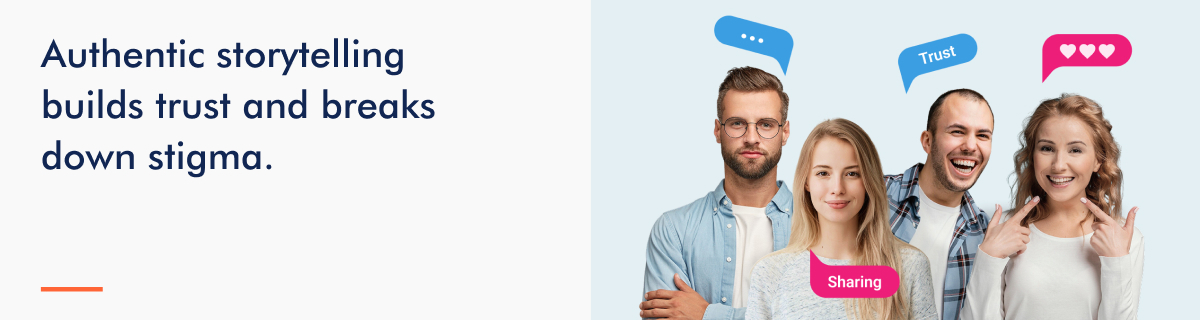
Trust is the foundation of marketing, including that on social media. Followers connect with sincerity, not perfection. It is only natural, then, that brands and organizations that communicate authentically humanize their mission and foster loyalty. A mental health awareness initiative by Bell Canada, Let’s Talk, is a strong example of what happens when brands are genuine. Its honest, open messaging has fueled national conversations and driven millions in donations toward mental health services.
#2 Use Stories to Humanize the Message
There’s unmatched power in storytelling. Whether it is a recovery journey or a moment of vulnerability, personal narratives resonate more than statistics ever could. Still, organizations must remain sensitive to privacy, meaning they must balance openness with respect. Now, say you are running a campaign that supports students’ mental health. In that case, you should include real experiences from young people but share them anonymously or with clear consent. This allows others to feel seen while keeping the space safe.
#3 Focus on Educational Content
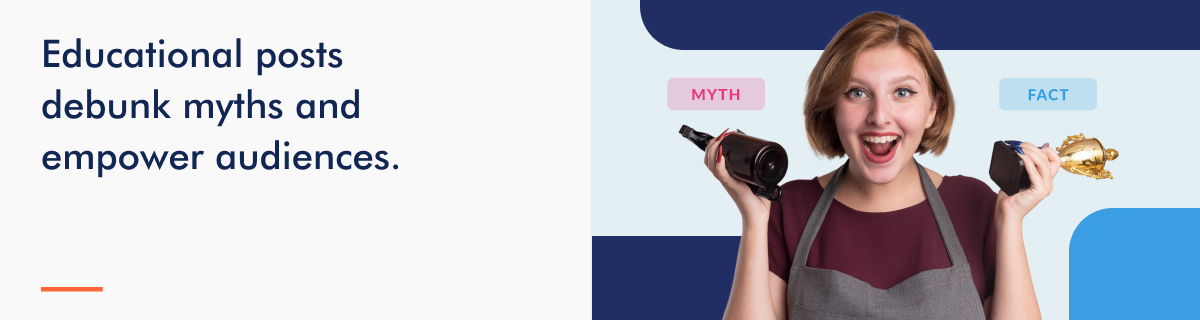
Misinformation can be harmful, especially when it comes to mental wellness. Use your platform to provide accurate, digestible content: infographics, myth-busting posts, expert interviews, or quick educational reels.
Organizations like Mental Health America do this well, breaking down complex issues into content that empowers followers. Done consistently, this approach contributes to the effective use of social media platforms for promotion of mental health awareness.
#4 Encourage Engagement
Engagement is the cornerstone of social media marketing. But how do you get people to actually engage? By publishing posts that ask questions or invite responses, or creating polls that allow audiences to participate rather than passively consume. Not to mention, when people comment or share, the message reaches further, which only brings in more engagement. But don’t just post content, though. Go a step further to prove that your organization is listening by responding to DMs and comments.
#5 Collaborate With Influencers
Influencers, those who have spoken publicly about their mental health, in particular, can help expand your campaign’s reach. As a matter of fact, their authenticity and connection to followers make them ideal partners for sensitive topics. A standout example is the collaboration between Lady Gaga’s Born This Way Foundation and Instagram, which focused on youth mental wellness. Strategic influencer partnerships like these serve to turn awareness into actual action by encouraging followers to seek support, share their own stories, or engage with mental health initiatives in meaningful ways.
#6 Use Hashtags to Join Larger Conversations
Hashtags are a small tactic with big reach that helps your posts surface in broader discussions. The reason why campaigns such as #EndTheStigma or #MentalHealthMatters have gone viral is that they united voices across borders. That said, your own mental health awareness social media campaign can gain traction by tapping into timely tags. This is especially true during awareness weeks or crisis moments.
#7 Prioritize Digital Safety
A truly effective campaign doesn’t just spread a message; it creates a safe space. Mental health content must live in an environment where users feel respected and protected. That means setting clear community guidelines, moderating harmful comments, and fostering supportive dialogue. When talking about safety, we can’t help but mention social media boundaries in healthcare. They are a must for any campaign involving real stories or professional advice. Without clear lines, it becomes way too easy to unintentionally break trust, share sensitive information, or create confusion.
#8 Align With National and Global Events
Awareness days, such as World Mental Health Day or National Suicide Prevention Week, offer an ideal opportunity to focus your efforts. They give you a chance to rally your audience around a specific issue and partner with other organizations doing similar work.
#9 Keep Your Message Consistent
From visual branding to tone of voice, consistency helps establish trust and recognizability. If one post is formal and the next is casual, your audience may not know what to expect or whether to engage. That’s why you must maintain a unified message across your platforms that clearly reflects your values and mission. This strengthens brand identity and allows your message to actually cut through the noise.
#10 Let Data Drive Your Strategy
Analytics give you the clarity to improve. That being said, make it a habit to check:
- Which posts resonate most?
- What time of day gets the most interaction?
- Where are users dropping off?
These insights allow you to refine your content and boost impact. If needed, work with a reputable PPC agency in NYC to maximize your reach through smart, ethical ad placements. Mental health social media marketing is the strongest when guided by both heart and data.
The Future of Social Media in Promoting Mental Health Awareness
The way we talk about mental health online is changing, and it is changing fast. As tech keeps evolving, social platforms are becoming more than just places to share posts. They are turning into interactive spaces where support, education, and real-time help are just a few taps away.
That said, here are a few exciting developments that signify the potential growth of social media for spreading awareness:
- Artificial intelligence: From automated check-ins to chatbots trained to recognize distress signals, artificial intelligence is starting to fill critical gaps in care. It is not a replacement for professionals, but it does offer a way to reach people faster when they need it most.
- Virtual reality (VR): VR tools are already being tested for therapy, but they also have potential for spreading awareness on social media. Imagine stepping into someone’s lived experience. It is a powerful way to build empathy and break down stigma.
- Augmented reality (AR): AR makes it easier to turn static mental health info into something you can interact with – think filters that share grounding techniques or lenses that guide you through breathing exercises.
- Continued celebrity engagement: The future will likely see even more influencers and celebrities using their platforms to share personal experiences and thus, drive a deeper conversation around mental health.
- Data-driven personalization: With more advanced analytics, it’ll be easier to tailor content to what people actually need. From mood-based posts to location-aware resource sharing, data will surely start driving more meaningful engagement.
Each of these tools opens the door for more effective use of social media platforms for promotion of mental health awareness. And as they become easier to access and scale, they’ll give campaigns more ways to connect with the right people, in the right moment.
Social Media: Spreading Awareness, One Post at a Time
The role of social media in promoting mental health awareness has never been more important. It is not merely a place to share memes, reels, and life updates, but a space to educate, connect, and spark real change. Whether you are raising awareness, offering support, or running a full-scale campaign, your digital presence can shape how people talk about and experience mental health. To make the most of it, surround yourself with the right collaborators. That might mean teaming up with advocates, trusted influencers, or digital partners like Digital Dot who understand how to turn strategy into impact. At the end of the day, building a strong community starts with intention, and with the right mental health and social media marketing approach, your efforts can genuinely move the conversation forward.