
The Most Searched Mental Health Questions and How to Address Them
In the age of information, people turn to the internet for answers to their most pressing mental health concerns. By addressing these questions head-on, we can foster greater awareness and understanding of mental health challenges and promote a healthier, more informed society.

Understanding mental health is more important than ever in our fast-paced world. People have countless questions about mental health, so it is a widely searched topic online. Some of the most searched mental health questions include queries about anxiety, depression, and how to manage stress. We will provide clear insights and helpful resources based on these popular searches. By addressing these common concerns, we hope to enhance mental health awareness and guide you toward the support you might need. Let’s explore the top mental health questions and offer practical advice to promote better mental well-being.
Coping With Emotions: One of The Most Searched Mental Health Questions
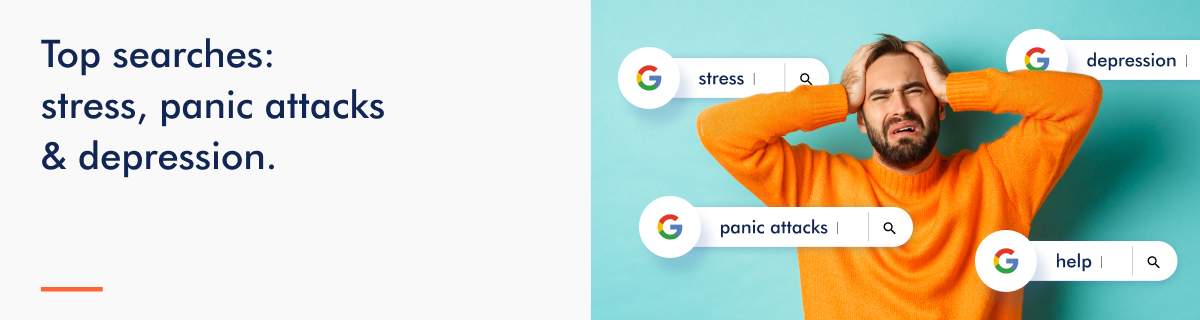
Coping with emotions is a common topic among the most searched mental health questions. Many people look for ways to manage their feelings and improve their mental well-being. Frequently searched topics include depression treatment, panic attack prevention, and stress management. These questions demonstrate the necessity of professional advice and practical strategies for handling emotional difficulties. Identifying stressors and creating constructive coping strategies are important steps in stress management. Regular exercise, mindfulness exercises, and leading a balanced lifestyle are some effective methods. For people who are feeling extreme anxiety, knowing how to stop a panic attack can be very significant. Quick symptom relief is possible with treatments like deep breathing exercises, grounding exercises, and finding a quiet place. Some popular searches:
- How to handle stress
- How to stop a panic attack
- How to cure depression
- Focus with ADHD
- Breathing exercises for kids
Finding ways to cope with emotions is important for overall mental health. Addressing questions about how to cure depression often involves a combination of therapy, medication, and lifestyle changes. For those with ADHD, focusing strategies may include structured routines, time management skills, and specific therapies. Parents searching for breathing exercises for kids can find simple techniques to help children manage anxiety and improve focus. Using social media in promoting mental health awareness can effectively reach a broader audience and encourage open discussions.
Journaling, Podcasts, and Books
Journaling, podcasts, and books are valuable resources frequently searched for by people seeking mental health support. These tools offer various ways to explore emotions, gain insights, and find inspiration. Journaling helps people process their thoughts and feelings, providing a therapeutic outlet. Podcasts and books offer expert advice, personal stories, and evidence-based strategies to improve mental well-being.

People often search for mental health books that offer comprehensive information on different conditions, self-help strategies, and personal experiences. These books can be a source of comfort and guidance. Mental health podcasts are also popular, as they provide accessible, on-the-go support from professionals and peers. Journaling techniques are sought after by those looking to establish a routine that fosters self-reflection and emotional release. Popular searches include:
- Mental health books
- Mental health podcasts
- Journaling techniques
Incorporating these resources into daily routines can significantly enhance mental health. Books like “The Body Keeps the Score” and “Feeling Good: The New Mood Therapy” are often recommended for their practical advice and in-depth analysis. Podcasts like “The Mental Illness Happy Hour” and “Therapy Chat” offer relatable content and professional insights. Effective journaling techniques, such as gratitude lists, free writing, and prompts, can help individuals explore their thoughts and feelings, leading to better emotional regulation and self-awareness.
Most Searched Mental Health Symptoms
Understanding the symptoms of mental health conditions is a common concern, making it one of the most searched topics online. People often look for information on symptoms to better understand their experiences or to support loved ones. Recognizing these symptoms early can lead to timely and effective treatment, improving overall well-being. The most frequently searched mental health symptoms are:
- Anxiety symptoms
- Depression symptoms
- PTSD symptoms
Knowing the symptoms of these common mental health conditions can be a first step toward seeking help. Anxiety symptoms, such as restlessness and difficulty concentrating, are often searched by those experiencing persistent nervousness. Depression symptoms, including fatigue and feelings of hopelessness, can be indicators of a deeper issue needing professional intervention. PTSD symptoms, such as emotional numbness and avoidance behaviors, highlight the importance of trauma-informed care. By searching for these symptoms, people can better understand their mental health and take steps towards finding the right support and treatment.

Why These Searches Matter?
What people search for regarding mental health reveals their primary concerns and anxieties. Popular searches like symptoms of anxiety, depression, and PTSD highlight a significant public need for information and support. This data helps mental health professionals and organizations understand what issues are most pressing to the public. By having insight into these concerns, they can design their services and outreach to address the specific needs of their audience. Effective mental health marketing can greatly enhance the reach and impact of mental health awareness campaigns, ensuring more people have access to the support they need.
Providing support and resources based on these searches is necessary for effective mental health campaigns. To improve your website’s visibility, focus on incorporating the best mental health SEO keywords into your content strategy. When mental health initiatives focus on the most commonly searched topics, they become more relevant and impactful. Addressing popular mental health questions ensures that campaigns are meeting the public where they are. This approach helps reduce stigma, provides necessary information, and encourages people to seek help. Tailoring mental health campaigns using search data allows clinics to support their audience better. Clinics can create targeted campaigns that address the most searched concerns, such as anxiety and depression symptoms. Strategies might include educational content, workshops, and online resources specifically designed to answer these common questions.

Understanding and Addressing the Most Searched Mental Health Questions
Understanding the most searched mental health questions helps us identify the pressing issues people face. Digital Dot offers comprehensive solutions for businesses looking to improve their online presence and digital marketing strategies. By addressing these questions and providing accessible resources, we can promote better mental health awareness and support. If you or someone you know is struggling, searching for professional help is a first step. Use available resources and stay informed to proactively manage mental health. Staying updated and informed about mental health can make a significant difference. Remember, reaching out for help is a sign of strength. Stay proactive, informed, and supportive in your mental health process.